A closer look at each botanical extract, nutrient, and vitamin in the AquaSculpt formula — what it is, its general nutritional role, and what the research does and does not tell us.

What it is: An extract derived from the leaves of Camellia sinensis, standardized for naturally occurring catechins such as EGCG.
General nutritional role: Contains antioxidant polyphenols that support the body's normal defense against oxidative stress.
Why it may be included: It is one of the most commonly studied botanical extracts in the context of metabolic wellness and everyday energy.
Research context: Ingredient-level research on green tea catechins is not the same as evidence for AquaSculpt as a finished product. Individual experiences vary, and no specific outcome is guaranteed.
Important considerations: Green tea extract contains naturally occurring caffeine-related compounds; those sensitive to caffeine should review the label and consult a healthcare professional.

What it is: An extract derived from the rind of the Garcinia gummi-gutta fruit, often standardized for hydroxycitric acid (HCA) content.
General nutritional role: Traditionally used in South and Southeast Asian cooking and, more recently, in wellness products.
Why it may be included: It is commonly included in appetite-awareness and weight-management formulas due to its traditional use profile.
Research context: Research on garcinia and HCA is mixed, and results from isolated ingredient studies should not be interpreted as a guarantee for the complete AquaSculpt formula.
Important considerations: As with any botanical extract, individuals taking medication or managing liver conditions should consult a healthcare professional before use.

What it is: An extract of Capsicum annuum, standardized for capsaicin, the compound responsible for the pepper's heat.
General nutritional role: Capsaicin is studied for its relationship to normal thermogenesis and metabolic activity.
Why it may be included: It is frequently included in metabolism-focused formulas to complement other botanical ingredients.
Research context: Ingredient-level studies on capsaicin explore its role in energy expenditure, but these findings describe the isolated compound, not the AquaSculpt formula as a whole.
Important considerations: May cause a warming sensation or mild digestive discomfort in sensitive individuals; start with the labeled serving size.

What it is: A naturally occurring, amino-acid-derived compound the body produces and also obtains from food sources such as meat.
General nutritional role: Plays a well-established role in transporting fatty acids into cells for energy production.
Why it may be included: Included to support the body's normal process of using fat as an energy source during daily activity.
Research context: L-carnitine's role in fatty-acid metabolism is well documented at the nutrient level; this does not equate to a specific promised outcome from AquaSculpt.
Important considerations: Generally well tolerated at typical dietary supplement doses; those with kidney or thyroid conditions should consult a healthcare provider first.

What it is: An essential trace mineral the body needs in very small amounts, often included as chromium picolinate in supplements.
General nutritional role: Involved in the normal metabolism of carbohydrates, fats, and proteins.
Why it may be included: Included to support the body's normal handling of macronutrients as part of a balanced diet.
Research context: Chromium's role in nutrient metabolism is well-established at the mineral level, though outcomes for any single formulation will vary by individual.
Important considerations: Excess supplemental chromium is unnecessary for most healthy adults eating a varied diet; follow the labeled serving size.

What it is: A group of water-soluble vitamins (such as B6 and B12) that work together in many of the body's core processes.
General nutritional role: B vitamins are cofactors in normal energy metabolism and help the body convert food into usable energy.
Why it may be included: Included to support consistent, everyday energy alongside the formula's other ingredients.
Research context: The role of B vitamins in energy metabolism is well characterized nutritionally; this is general nutrient science, not a specific claim about AquaSculpt's effects.
Important considerations: Most healthy adults tolerate B-complex vitamins well at standard doses; very high doses of certain B vitamins should be discussed with a healthcare professional.
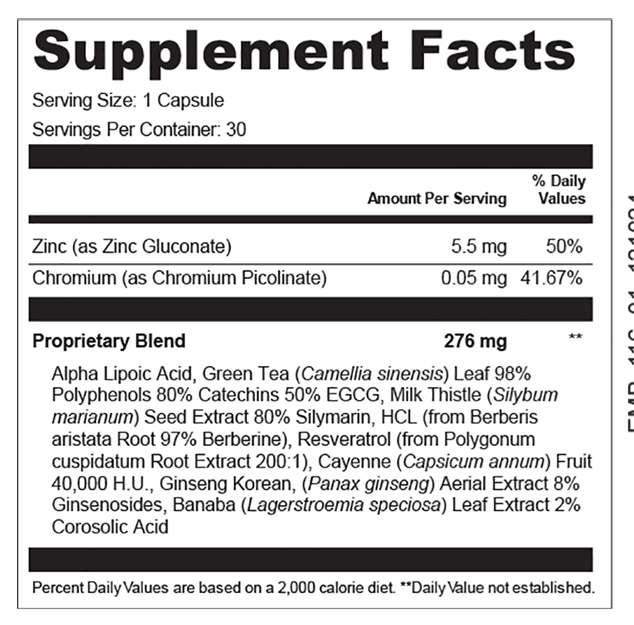
Always refer to the supplement facts panel on your physical bottle or current product listing for exact serving size, amount per serving, and %DV information, since formulations can be updated over time. For an independent read on any single ingredient, the NIH Office of Dietary Supplements publishes consumer fact sheets covering effects, safety and interactions.
Read our full FAQ or reach out directly — we're happy to help you understand what's inside AquaSculpt.
For how these ingredients fit a wider routine, see the habits that actually influence metabolism, why hydration matters, and what drives appetite and cravings.
 AquaSculpt